Sapphire: A Gem of Celestial Blue and Enduring Appeal
Sapphire, a gemstone of celestial beauty and enduring appeal, shares its corundum family with the ruby, a surprising fact to many. Both gems hold prominent positions in gemstone history and the jewellery industry. While rubies owe their red hue to chromium, sapphires, in their purest form, are colorless aluminum oxide (Al₂O₃). The most celebrated blue sapphires owe their intense color to trace amounts of iron and titanium within their atomic structure. However, sapphires also occur in a spectrum of other hues, caused by different trace elements: pink (chromium), purple (vanadium), green (iron – Fe²⁺), and yellow (iron – Fe³⁺).
Color and Gemological Properties
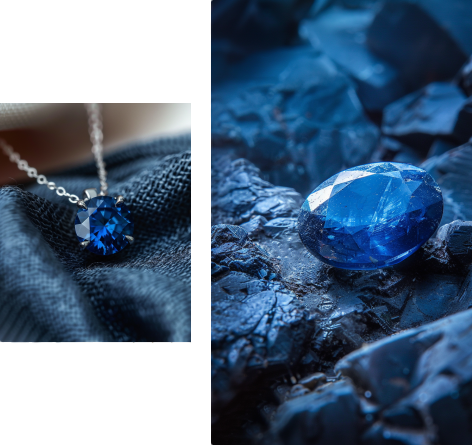
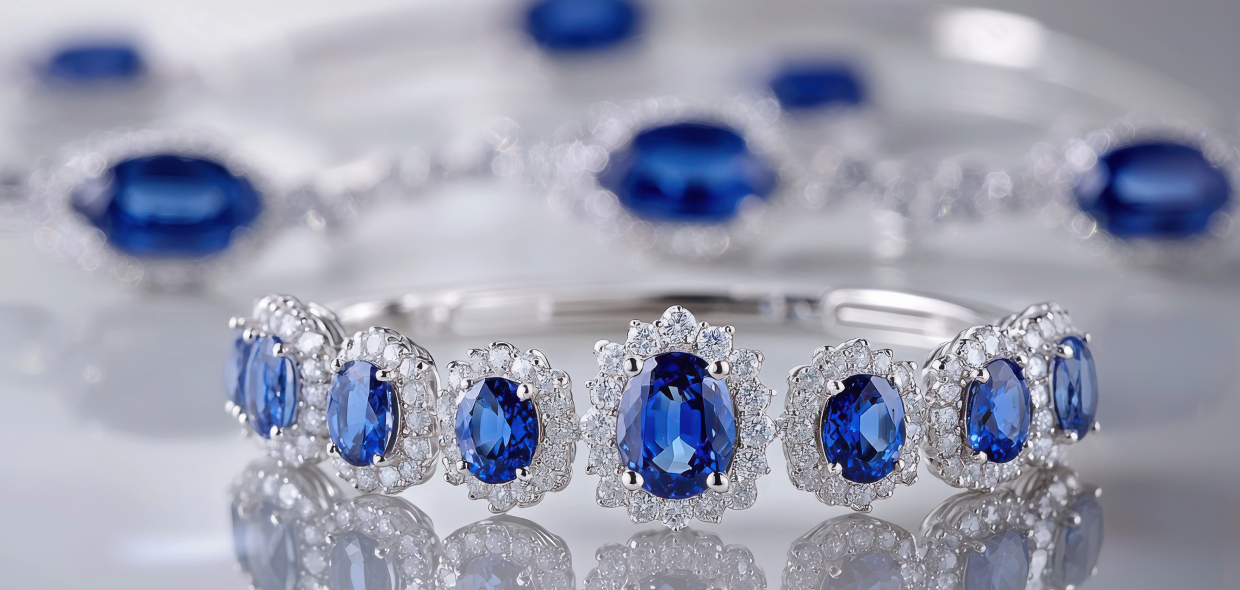
The most prized sapphires exhibit a vivid, saturated blue, often described as “cornflower blue” or “royal blue.” These exceptional gems possess a depth and brilliance that has captivated royalty and connoisseurs for centuries. Kashmir sapphires, in particular, are renowned for their velvety blue hue, a result of exceptionally fine rutile needles that scatter light without compromising clarity. This unique quality, combined with their intense color, makes them highly sought after by collectors. While blue is the most celebrated color, sapphires also occur in a fascinating array of hues, including pink, purple, yellow, green, orange, white (leuco sapphire), and even near-black. The intensity, purity, and evenness of color are key determinants of a sapphire’s value.
Sapphires, like rubies, possess exceptional durability, ranking 9 on the Mohs Hardness scale. Their lack of cleavage (structural weakness) makes them ideal for everyday wear in jewellery. Gem-quality sapphires of exceptional clarity are rare; inclusions are frequently observed. While some inclusions may detract from a sapphire’s value, others, like the “silk” inclusions in Kashmir sapphires, can contribute to their unique character and allure.
Origin and Formation:
Sapphires, a variety of the mineral corundum, are primarily composed of aluminum oxide. Their diverse colors arise from trace amounts of other elements, such as iron, titanium, and chromium. These gemstones form deep within the Earth’s crust under intense heat and pressure over millions of years. Historically, the finest specimens often originated from the Mogok region of Myanmar (formerly Burma). While Myanmar remains a significant source, notable sapphire deposits are also found in Sri Lanka, Thailand, Kashmir (India), Madagascar, Australia, Montana (USA), Shandong (China), Pakistan, Ethiopia, Vietnam, Tanzania, Cambodia, Brazil, Kenya, Malawi, Nigeria, Rwanda, Zimbabwe, and Finland (including some star sapphires).
Historical Significance
Sapphires have been treasured for centuries, holding significant cultural and symbolic meaning across civilizations.
Ancient Times
Highly valued by ancient Egyptians, Greeks, and Romans, sapphires were often associated with royalty, wisdom, and truth. They were believed to possess mystical powers and offer protection.
Religious Significance
In biblical tradition, the Ten Commandments were said to be inscribed on tablets of sapphire.
Medieval Europe
Sapphires maintained their prestige during the medieval period, frequently adorning crowns and other royal jewellery.
Modern Era
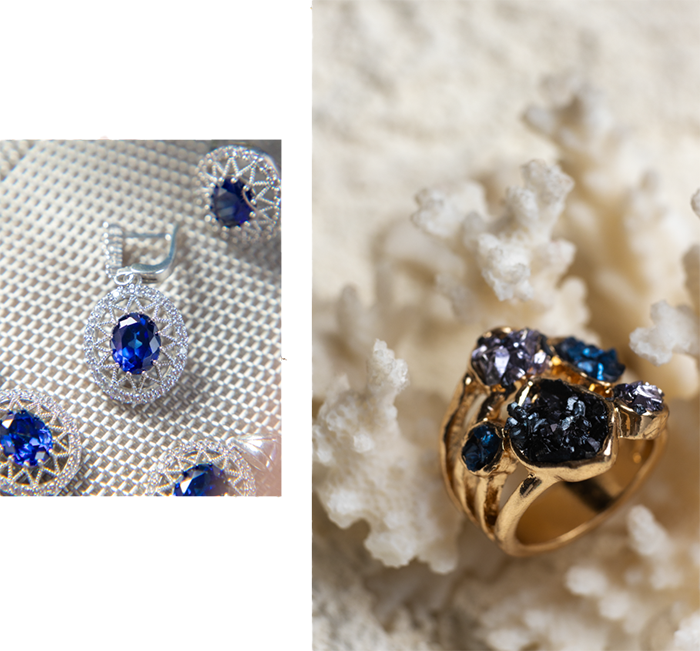
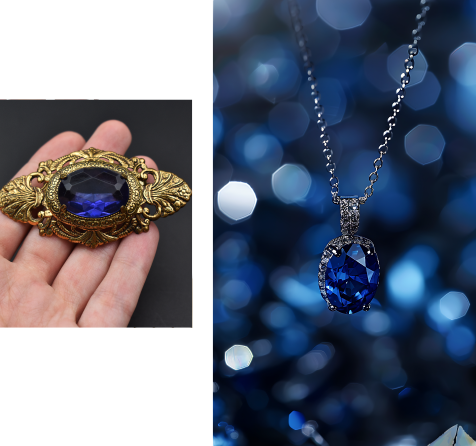
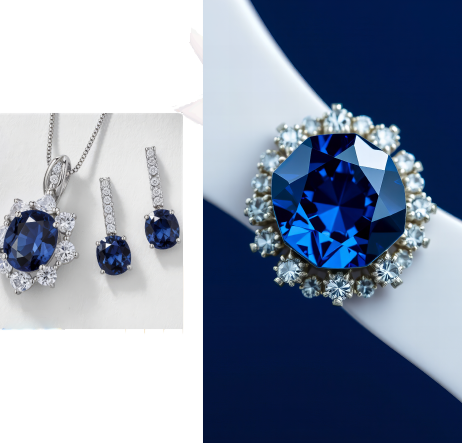
Sapphires continue to be highly prized, used in a wide range of jewellery, from elegant rings and necklaces to bold statement pieces. Fine-quality sapphires are also considered valuable gemstones and can represent a significant investment.
Famous Sapphires
Several famous sapphires are celebrated for their exceptional size, quality, or historical significance:
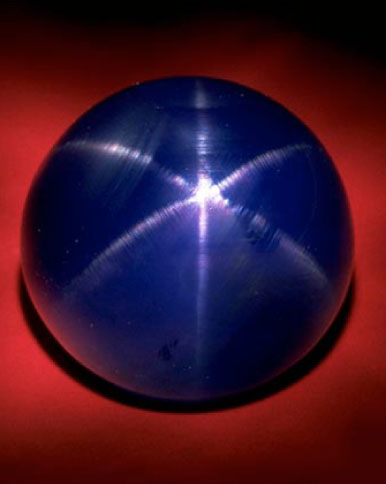
The Star of India
A 563-carat star sapphire, one of the largest star sapphires in the world.
The Logan Sapphire
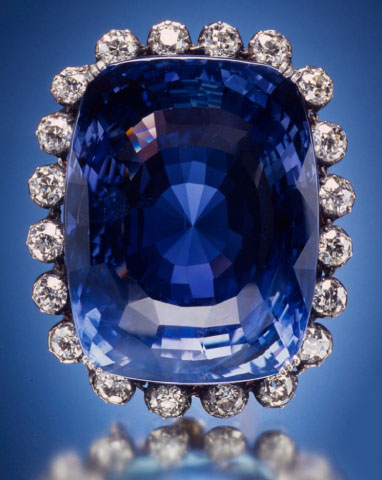
A 422.99-carat blue sapphire, one of the largest faceted sapphires in the world.
Valuation (The Four Cs):
The valuation of sapphires, like other gemstones, is primarily determined by the “four Cs”: Color, Clarity, Cut, and Carat.
Color:
Color is paramount, with vivid, saturated blues commanding the highest prices.
Clarity:
Clarity, while important, is often less critical than color in sapphires, as certain inclusions can be desirable.
Cut:
Cut significantly influences a sapphire’s brilliance and fire.
Carat:
Carat weight measures the gemstone’s size, but a larger carat weight does not necessarily equate to higher value; quality remains the primary determinant.
Treatments:
Various treatments are employed to enhance the color and clarity of sapphires. Heat treatment is a common and widely accepted practice when disclosed. Other treatments, such as beryllium diffusion, are also used. Transparency regarding any treatments applied is essential for ethical gem trading.
Conclusion:
From their celestial blue hues to their exceptional durability and rich history, sapphires continue to captivate and inspire. Their versatility and enduring appeal ensure their position as one of the world’s most treasured gemstones.